Wedding Flowers Watercolor Clip Art: A Designer's Toolkit
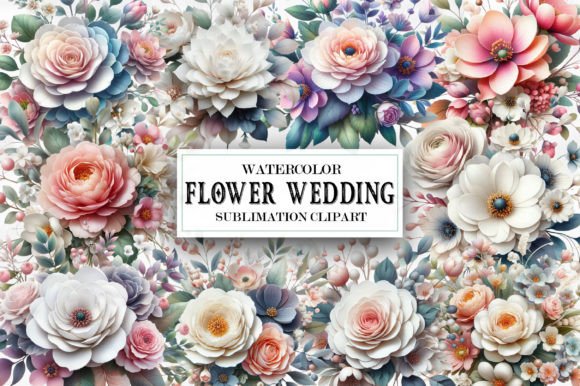
There’s a certain magic in watercolor art. It captures the soft, organic feel of nature with a gentle, hand-painted touch that digital graphics often struggle to replicate. This is especially true for floral designs, where the blending of petals and leaves feels most authentic with a brushstroke. For designers and creatives working on projects that require this delicate, romantic aesthetic, a well-curated collection of high-quality assets can be a game-changer. A set featuring roses and hydrangeas, rendered in this timeless style, offers a versatile foundation for countless creative endeavors.
The Anatomy of a Versatile Floral Collection
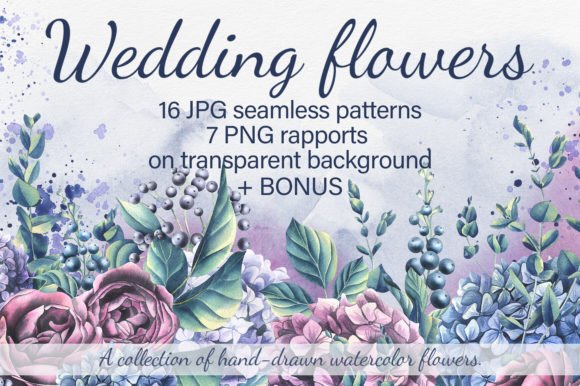
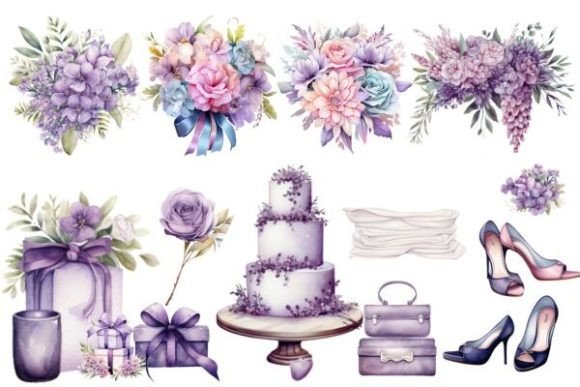
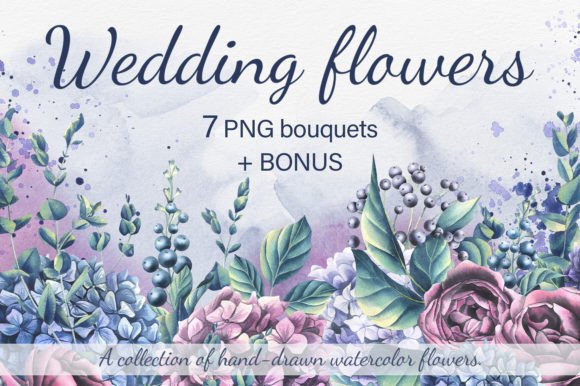
A truly useful design kit is more than just a handful of pretty pictures. It’s a thoughtfully assembled toolkit designed to spark creativity and streamline your workflow. A robust Wedding Flowers Watercolor Clip Art set typically includes a variety of components that work together harmoniously. You might find complete bouquets that serve as immediate focal points, alongside isolated stems and sprigs for building custom arrangements. The inclusion of complementary elements like eucalyptus branches, decorative berries, and textured leaves adds depth and realism.
Beyond the primary florals, consider the secondary assets that add professional polish. Paper tags on laces introduce a rustic, tactile quality perfect for gift tags or menu designs. Bonus spots and splashes of watercolor can be used as subtle accents, adding energy and a handcrafted feel to backgrounds or borders. Crucially, all these elements are often provided as high-resolution PNG files on transparent backgrounds. This technical detail is paramount; it gives you the creative freedom to layer, scale, and combine elements without the hassle of removing unwanted white or colored backgrounds, ensuring a clean, professional integration into any project.
From Screen to Surface: Real-World Applications
The true value of a design asset is measured by its utility across different mediums. This is where a comprehensive floral collection shines. Its applications extend far beyond a single use case, making it a wise investment for anyone in a creative field.
For branding and logo design, these watercolor elements can help a brand establish a soft, elegant, and approachable identity. Imagine a bakery’s logo adorned with a delicate rose, or a wedding planner’s business card featuring a subtle hydrangea accent. In packaging design, a single floral motif can elevate a product from ordinary to premium, creating a memorable unboxing experience. The same principle applies to print materials—think of the impact on wedding invitations, thank you cards, or elegant stationery.
In the digital realm, the possibilities are equally vast. Use these florals to create stunning social media graphics that stop the scroll, design a cohesive and inviting website header, or illustrate blog posts about lifestyle, wellness, or events. They are perfect for creating mockups for merchandise like tote bags or notebooks, and for designing beautiful editorial layouts in magazines or lookbooks. Even digital products like planners, journals, and printable wall art can be transformed with this artistic touch.
Building a Cohesive Visual Language
Consistency is the cornerstone of strong visual communication. Using a single, well-designed collection like this ensures that all your creative outputs share a common aesthetic thread. This consistency builds brand recognition and projects a professional presentation that earns trust. When your website, your social media posts, and your physical packaging all speak the same visual language, it creates a powerful and unified brand identity.
However, integrating such distinctive assets requires a thoughtful approach to typography. The soft, organic nature of watercolor florals pairs beautifully with certain font styles. A classic serif font can lend a timeless, elegant feel, while a clean sans serif font offers modern contrast and excellent readability. For a more romantic or whimsical touch, a carefully chosen script font or handwritten font can complement the artistry. The key is font pairing—selecting a typeface that harmonizes with the floral elements without competing for attention. Always test your pairings to ensure the text remains legible, especially at smaller sizes or on busy backgrounds.
A Practical Guide to Using Your Floral Assets
Before diving into a project, take a moment to plan. First, consider the project goals. Is the aim to evoke romance, rustic charm, or modern sophistication? This will guide which specific elements from the collection you choose to use. A single, bold bouquet might be perfect for a wedding invitation’s centerpiece, while a subtle spray of berries and leaves could frame a social media quote perfectly.
Next, think about visual hierarchy. Use the florals to guide the viewer’s eye. A large bouquet can be the hero image, while smaller elements can create supporting frames, borders, or decorative breaks between sections of text. Don’t be afraid to scale and rotate elements to create unique compositions. The transparent backgrounds make this process seamless.
Finally, always be mindful of commercial licensing. Reputable asset creators provide clear guidelines on how their work can be used. Ensure the license covers your intended use, whether it’s for client work, merchandise for sale, or digital products. Understanding these terms upfront protects you and respects the artist’s work.
In the end, a resource like this is more than just a set of images; it’s a catalyst for creativity. It provides the building blocks to craft visuals that feel personal, polished, and deeply connected to the beauty of the natural world, helping your projects resonate with an audience that appreciates artistry and detail.